A Unified Visa for Southeast Asia? Thailand and Vietnam Push for a Regional Travel Revolution
ASEAN's 'Six Countries, One Destination' project is strengthening regional travel connections. What if, as in Europe, you could travel between Thailand, Vietnam, Cambodia, Laos, Malaysia, and Myanmar…
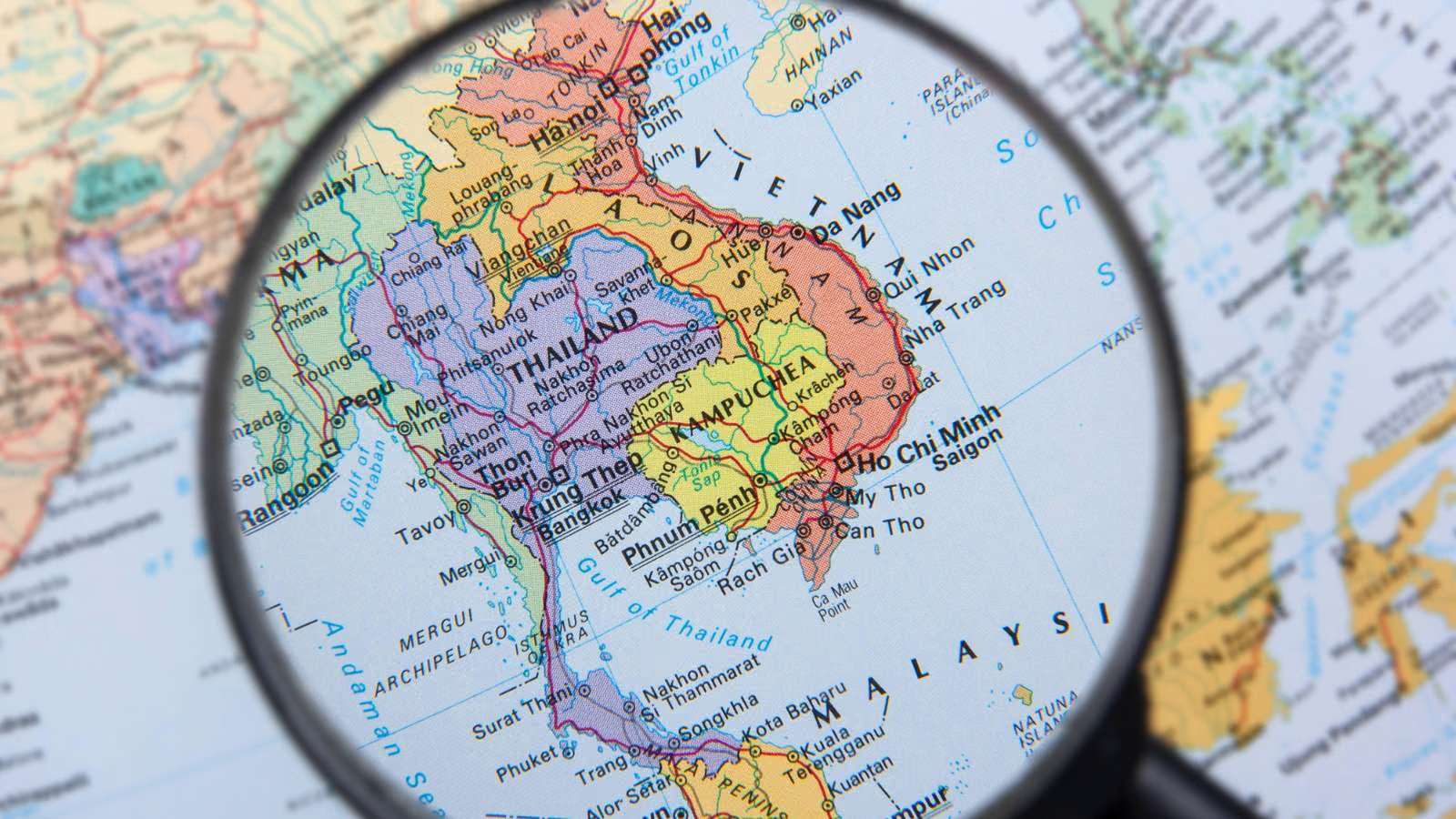
ASEAN's 'Six Countries, One Destination' project is strengthening regional travel connections. What if, as in Europe, you could travel between Thailand, Vietnam, Cambodia, Laos, Malaysia, and Myanmar with a single visa?That’s precisely what Thailand is pushing, and Vietnam is all ears. During his official visit to Vietnam from February 23-25, Thai Foreign Minister Maris Sangiampongsa met with Vietnamese Prime Minister Pham Minh Chinh to talk business — especially, the business of rising tourism.Increasing regional travel connections through the "Six Countries, One Destination" campaign is their main goal. The idea is straightforward but revolutionary: a single visa for six countries, allowing travellers to travel freely across borders without the hassle of multiple permits. If implemented, this could turn the region into a travel powerhouse similar to Europe's Schengen Zone. Why is this important? Due to relaxed visa policies, Thailand welcomed 35.5 million tourists last year, a 26% increase from the year before; Vietnam attracted 17.6 million foreign visitors in 2024, bringing it closer to pre-pandemic levels; and Malaysia welcomed 38 million tourists, far exceeding initial estimates, according to local media.The proposal is still in its early stages, but one thing is certain: Southeast Asia is dreaming big — and it might just pull it off. Malaysia, for its part, has officially surpassed Thailand as the top tourist destination in the ASEAN region for 2024, recording an impressive 38 million foreign tourist arrivals. Imagine the boost for regional travel if travellers could easily explore all six nations in one seamless trip. More tourism means more business, more flights, and more economic growth throughout the region.If realized, this unified visa could significantly boost tourism, making travel across Southeast Asia more seamless and appealing for international visitors. By eliminating the need for multiple visa applications, the initiative would encourage longer stays and higher spending, benefiting local economies and businesses. Additionally, improved connectivity between these nations could enhance cultural exchange and regional cooperation, strengthening ASEAN’s position as a global tourism hub. While challenges such as security concerns and policy alignment remain, the potential benefits of a Schengen-like visa system in Southeast Asia make it an ambitious yet promising endeavour.Such an initiative would not only streamline travel but also enhance the region’s global competitiveness as a top tourist destination. With simplified visa procedures, Southeast Asia could attract more visitors from key markets like Europe, North America, and China, further driving economic growth. Additionally, a unified visa system could foster closer diplomatic ties among participating nations, promoting greater collaboration in tourism, trade, and infrastructure development. However, successful implementation would require careful coordination on border security, visa regulations, and mutual agreements to ensure smooth and secure cross-border movement.