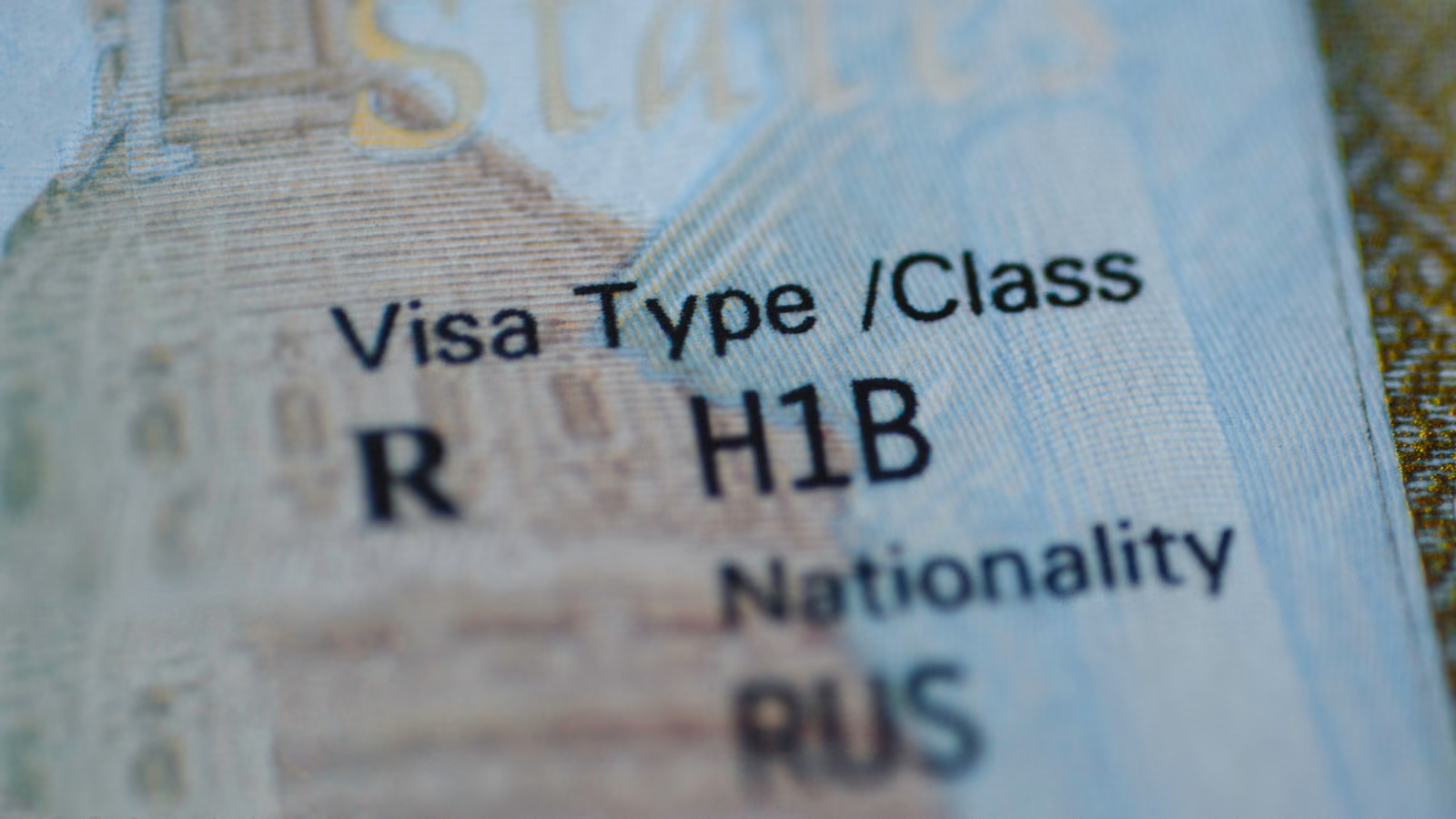
New US H-1B Visa Regulations Impact Indian Workers Amid Tech Industry Layoffs
The US tech industry is facing a significant wave of layoffs that has disproportionately affected Indian workers, particularly those holding H-1B visas.
The US tech industry is facing a significant wave of layoffs that has disproportionately affected Indian workers, particularly those holding H-1B visas. This alarming trend, combined with stricter visa regulations and rising application fees, has created a challenging environment for immigrants, international students, and skilled laborers in the United States.According to data from Layoffs.fyi, approximately 438 tech companies have collectively laid off around 137,500 employees, undermining the notion that the tech sector is immune to economic downturns. As job opportunities dwindle, H-1B visa holders are under immense pressure to secure new employment quickly or risk being forced to leave the country.The US Congressional Research Service indicates that many Indian workers face extraordinarily long waits for green cards, with some backlogs extending beyond 190 years, despite having fulfilled all labor requirements. This ongoing backlog exacerbates the precarious situation for these skilled professionals.
Recent Visa Policy Changes Heighten Challenges
Recent updates to US visa policies have further complicated the landscape for Indian workers. The October 2024 visa bulletin released by the US Department of State, which details the availability of immigrant visas for the upcoming fiscal year, has raised concerns across various visa categories, including the EB-5 investor visa program. This program allows individuals to obtain residency through substantial investments in designated areas, but applicants from mainland China and India often encounter significant delays.The cost of obtaining H-1B visas has dramatically increased, with application fees soaring from $10 to $215 per beneficiary, reflecting a staggering 2150% rise. Furthermore, the fee for paper filing has jumped from $460 to $780, a 70% increase. These financial burdens come at a time of heightened job insecurity.Additional changes affect green card applicants as well; the fee for filing an I-30 petition has risen to $675 for paper submissions and $625 for online applications. A new $600 fee has also been introduced for certain asylum petitions, while international students face increased scrutiny when applying for F, M, and J visas, necessitating precise information related to their passports.