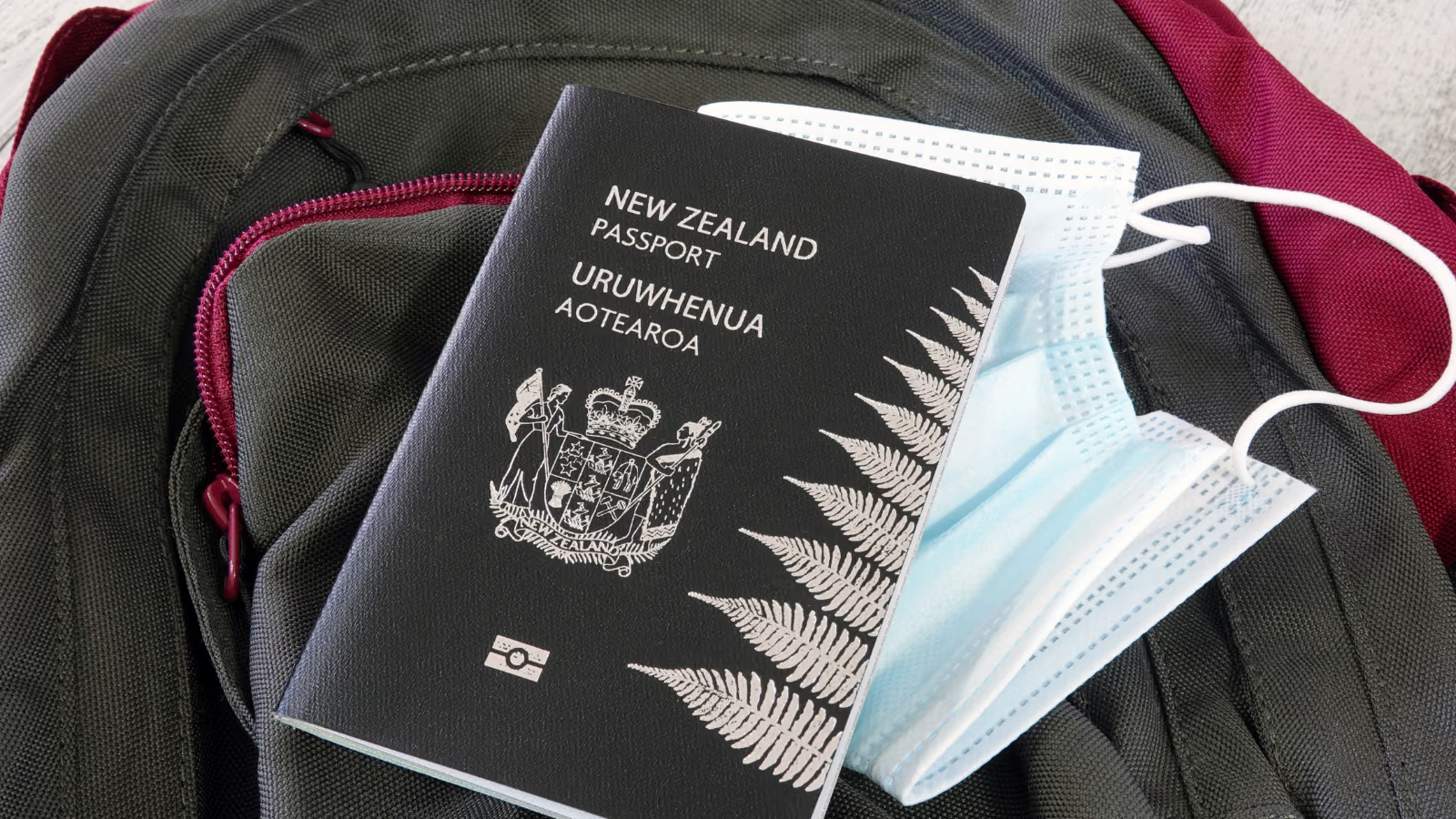
To attract "digital nomads," New Zealand relaxes its visa requirements
In an attempt to grow its tourism industry, New Zealand has loosened its visa regulations to let visitors work from home while they are there.
In an attempt to grow its tourism industry, New Zealand has loosened its visa regulations to let visitors work from home while they are there. Visitors may now work remotely for a foreign company for up to 90 days while on vacation in the nation under the new regulations, after which they may be subject to potential tax repercussions.Making New Zealand "more attractive to digital nomads"—those who travel while working remotely—is the goal of the initiative, according to the government of the nation. According to Erica Stanford, the immigration minister for New Zealand, "The change will enable many visitors to extend their stays, which will lead to more money being spent in the country." According to the administration, all visitor visas were affected, including those for tourists and those with longer-term visas who were visiting relatives, partners, or guardians. It further said that visitors whose jobs required them to be in the nation still needed to secure the necessary permits, and that only remote work located abroad was permitted.The government of New Zealand estimates that the tourist sector brings in over $11 billion annually. In an attempt to attract the increasing number of individuals looking for possibilities to travel while working remotely, several additional nations have implemented visa programs for digital nomads in recent years.In the 2010s, the concept gained popularity, mostly among young employees who wanted to break away from their everyday routine. Japan, South Korea, Brazil, Spain, and Portugal are among the nations that grant visas for digital nomads.However, there has also been discussion over the existence of digital nomads in some areas. Critics claim that the rise in remote workers has increased expenses in Cape Town, South Africa.Intense demonstrations against overtourism have also been fueled by the surge of tourists visiting nations like Spain and Greece. The decision by New Zealand to relax visa rules for digital nomads has been met with enthusiasm by many in the global remote-working community. Digital nomads have long sought destinations that combine reliable infrastructure with natural beauty and quality of life, and New Zealand fits the bill perfectly. With its stunning landscapes, vibrant culture, and advanced technology infrastructure, the country is poised to become a top destination for remote workers looking to blend productivity with adventure. Experts predict that this policy could inject additional revenue into local economies, especially in smaller towns and rural areas that often miss out on traditional tourism benefits.However, the policy has also sparked debates about the long-term impact of digital nomads on local communities. While their spending boosts local businesses, critics warn of potential challenges such as rising housing costs and strain on infrastructure, similar to issues observed in other digital nomad hotspots like Lisbon and Bali. Additionally, concerns about cultural preservation and maintaining community identity are being raised as more countries open their doors to this mobile workforce.